
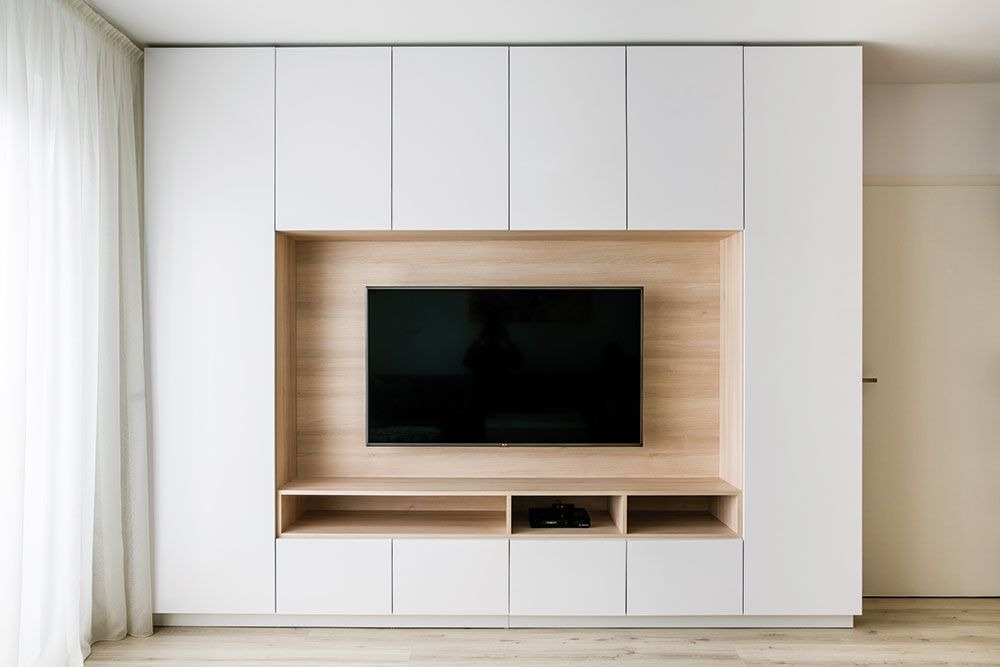
Living in a small apartment or studio in cities like Toronto, Vancouver, or Montreal often means making the most of every inch, as shown in Statistics Canada’s research on urban density and smaller living spaces. With rising urban density and shrinking floor plans, thoughtful storage becomes essential to maintaining a clean and comfortable home.
This guide explores practical ways to organize small Canadian apartments, highlighting strategies that help you regain floor space, reduce clutter, and make compact living feel more open and functional.
How to Create Storage That Really Works in Small Spaces
Small-space storage goes beyond plastic bins and closet organizers (read more about this on the official ASHRAE website). It is about integrating function directly into your furniture and layout. By using vertical space, choosing dual-purpose pieces, and rethinking underused areas, you can build a home that feels much larger than its square footage.
The goal is simple: keep essentials accessible while eliminating unnecessary visual clutter. With the right systems, even studios can feel calm, bright, and organized.
Why Smart Storage Matters in Urban Apartments
City living often comes with unique challenges. Bulky winter coats, boots, sports gear, and cleaning supplies can quickly overwhelm limited closets. When belongings spill into the living area, the space can feel smaller and more stressful.
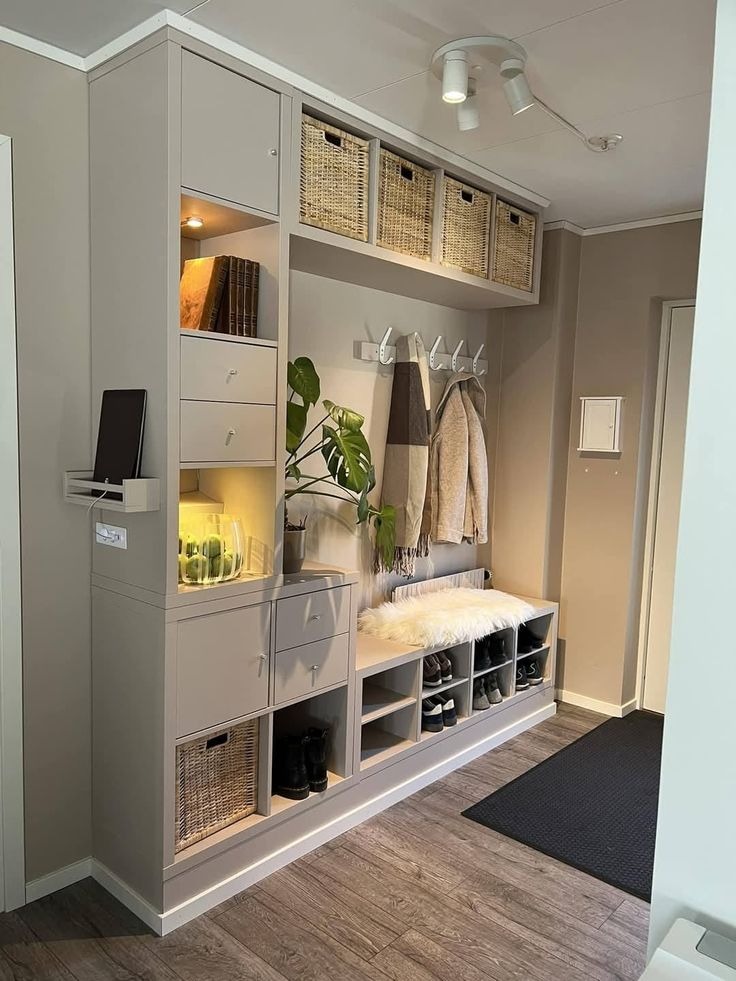
Smart storage not only helps keep everything in its place but also improves daily routines. It supports productivity, makes cleaning easier, and can even save money by reducing the need for off-site storage.
Comparing Different Small-Space Storage Systems
Different setups suit different needs. Below is a comparison of common small-space storage categories.
| Parameter | Custom Built-ins | Modular Systems | Multi-Functional Furniture |
| Price | 2,000 – 10,000+ | 500 – 2,000 | 300 – 1,500 |
| Availability | Low | High | High |
| Complexity | Hard | Medium | Easy |
| Portability | None | Low | High |
Prices reflect Canadian renovation and retail averages.
How to Choose a Storage Strategy That Fits Your Home
Finding the right solution depends on your lifestyle, budget, and whether you rent or own.
1. Look Up and Use Vertical Space
In compact units, wall height is one of your greatest assets, as supported by the International Code Council. Tall shelving, over-door racks, and storage installed above cabinets or door frames help free the floor while drawing the eye upward. This makes rooms feel more open and airy.
2. Choose Furniture With Built-In Function
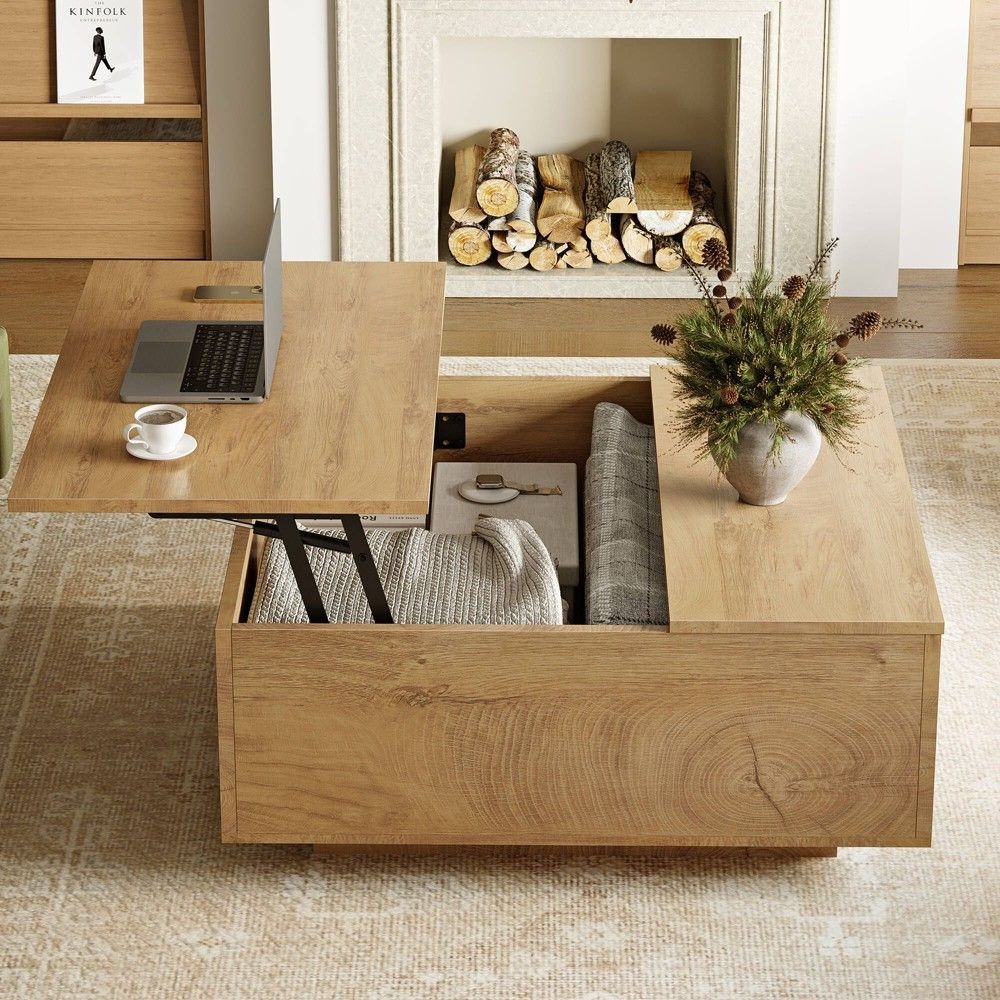
Dual-purpose furniture is essential in small apartments. Consider sofas with hidden compartments, coffee tables with lift tops, and storage beds with drawers or hydraulic lifts. These pieces keep essentials close while eliminating the need for extra cabinets.
3. Take Advantage of Hidden Areas
The backs of doors, the space under the bed, and the interior sides of cabinet doors offer valuable storage opportunities. Over-the-door organizers are great for cleaning supplies or shoes, while under-bed bins can hold off-season clothing or extra bedding.
Common Mistakes to Avoid in Small Apartments
- Buying storage before decluttering: Editing your belongings first ensures you only store what matters.
- Relying on opaque bins: Transparent or clearly labeled containers help you find things quickly and avoid forgotten items.
- Choosing bulky pieces: Heavy, dark storage units can make a small room feel cramped. Opt for lighter finishes or furniture with legs to maintain a sense of openness.
Open Shelving vs Closed Storage: Which Works Better?
Designers often debate the best approach for small spaces. Open shelving can look stylish and accessible, helping display books, plants, or decor. However, in tight apartments, too many visible items can create visual clutter.
Closed storage offers a cleaner look, hiding away everyday items while keeping surfaces clear. Many homeowners choose a balanced approach: open shelving for decor and character, and closed cabinets for the less appealing essentials.
Frequently Asked Questions (FAQ)
1. What should I consider when choosing storage for a rental apartment?
You must consider damage deposits. Avoid heavy wall-mounted systems that require large anchors if you are renting. Opt for tension-rod systems or freestanding units that don’t damage the drywall.
2. How do I choose the best under-bed storage?
Measure the clearance height accurately. If you are storing off-season clothes, use vacuum-seal bags inside canvas bins to maximize capacity. Rolling bins are best for daily access.
3. What are the advantages and disadvantages of modular storage systems?
- Advantages: They look semi-custom and fit specific dimensions better than standard furniture; they are scalable.
- Disadvantages: They can be difficult to assemble and may not fit perfectly if your walls are uneven (common in older buildings).
Final Thoughts
Smart storage solutions for small Canadian apartments and studio units can completely transform your living environment. By using vertical space, selecting multi-functional furniture, and balancing open and closed storage, you can create a home that feels organized, spacious, and comfortable.
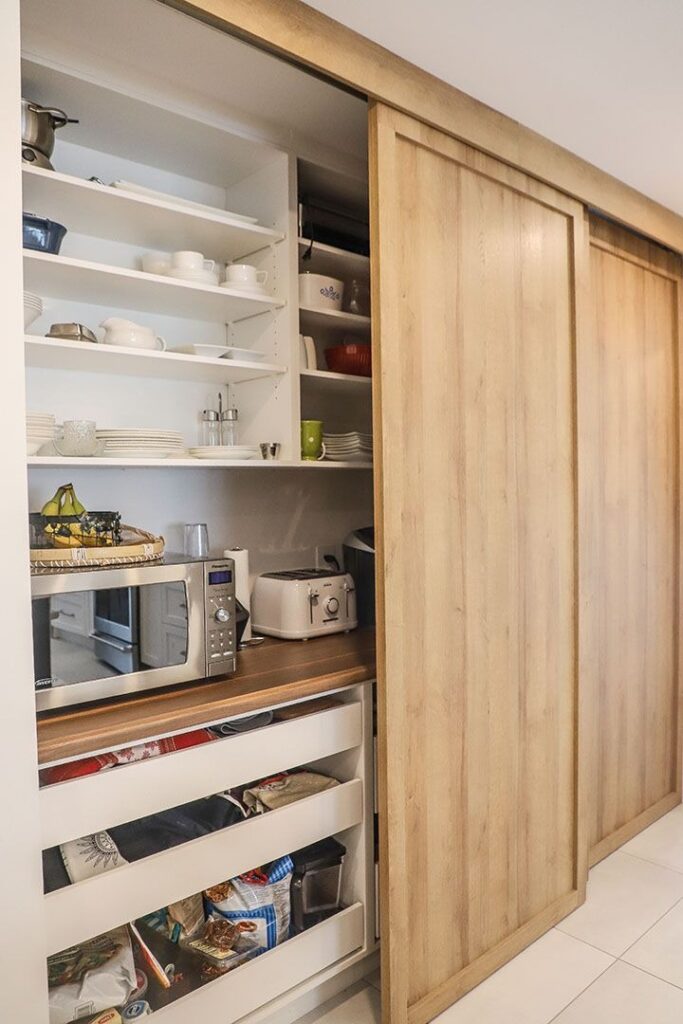
Whether you are settling into your first studio or downsizing to a compact condo, the right storage strategy will help you get the most out of every square foot.