
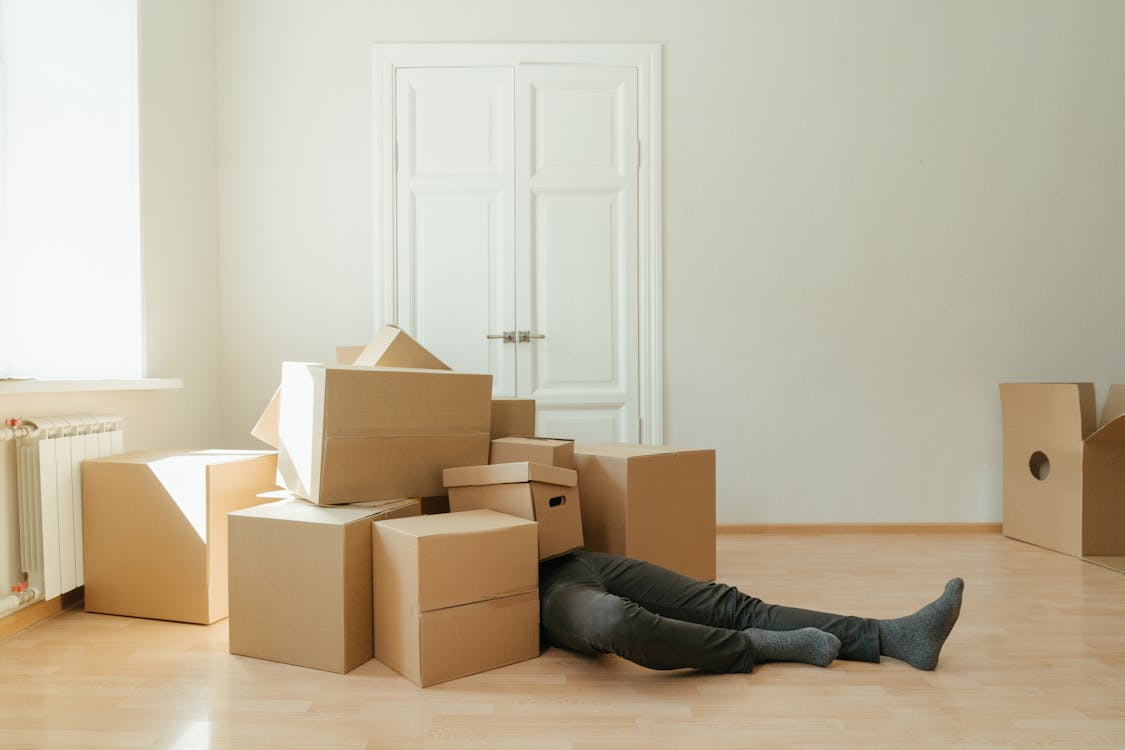
Buying your first home in Canada is an exciting milestone, but it often comes with a tight decorating budget, as shown in Statistics Canada’s research on household spending pressures. After closing costs, moving expenses, and essential repairs, many new homeowners find themselves with blank rooms and limited funds to furnish them.
The good news is that a stylish, welcoming home does not require an oversized budget. With thoughtful choices, patience, and a focus on high-impact updates, you can create a space that reflects your personality while keeping costs manageable. This guide highlights ways to make your new home feel complete without overspending.
How to Design a Beautiful Home on a Budget
For first-time buyers, budget-friendly design is about knowing where to spend and where to save. It combines practical upgrades, second-hand finds, and simple DIY projects that offer strong visual impact.
Instead of furnishing everything at once, the goal is to prioritize key pieces, build slowly, and make improvements that elevate the home over time. This approach helps new homeowners avoid clutter, reduce unnecessary purchases, and invest wisely in items that matter.
Why Thoughtful Budget Design Makes a Big Difference
New homeowners often face tight timelines and financial pressure. Rather than living in an unfinished space, budget-conscious design lets you enjoy your home right away.
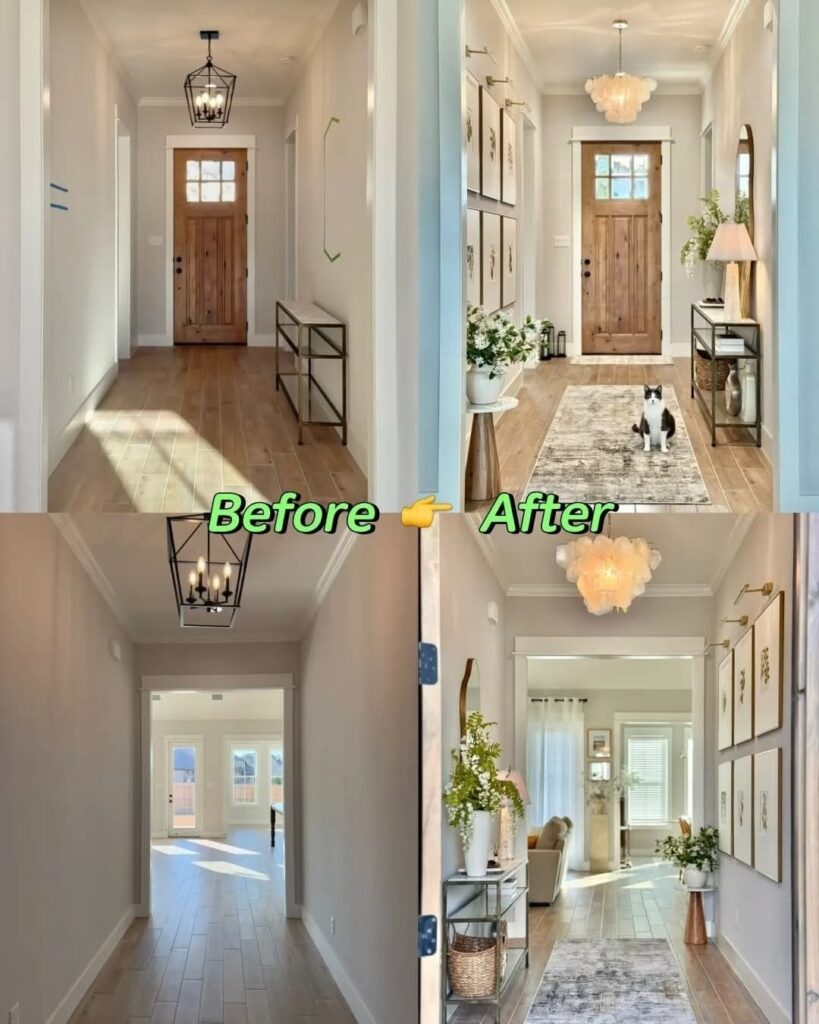
Simple updates like paint, lighting, and window treatments can instantly make a builder-grade or previously owned home feel warm and personal. These improvements can also support property value, helping your investment grow as you continue customizing the space.
Comparing Furniture Shopping Options for First-Time Buyers
Different furniture sources offer different advantages, as outlined in the foundational principles of interior design. Here is how common options compare for new buyers.
| Parameter | Big Box Retail | Second-Hand / Vintage | Online Marketplaces |
| Price | 200 – 1,500 | 50 – 800 | 20 – 500 |
| Availability | High | Low | Medium |
| Complexity | Easy | Medium | Medium |
| Uniqueness | Low | High | Medium |
High-Impact, Low-Cost Upgrades Worth Prioritizing
When the budget is limited, focusing on the most transformative elements helps maximize results.
1. Refresh Rooms With Paint
Painting is one of the easiest ways to modernize a space, as reflected in UNESCO’s sustainable design guidelines. Warm whites, soft greiges, and subtle colors can brighten rooms and make them feel larger. A single accent wall can add personality without adding much cost.
2. Update Lighting for an Instant Lift
Many homes come with basic overhead fixtures. Replacing them with simple modern pendants or flush mounts can dramatically improve the look of a room. Updated lighting also makes the space feel more intentional and polished (you can read about this from the WHO).
3. Add Window Treatments
Bare windows can make a room feel unfinished. Installing curtain rods high and wide or choosing functional roller shades can bring softness and dimension. This small update helps control light, improves privacy, and elevates the room’s overall appearance.
Common Budget Design Mistakes to Avoid
- Buying everything immediately: Living with a room for a few months reveals what you truly need.
- Incorrect scale: Furniture that is too small or too large disrupts the flow. Always check measurements and use floor tape to map out sizes.
- Chasing micro-trends: Trendy items may date quickly. Save bold patterns or seasonal styles for inexpensive accessories.
Fast Furniture vs Slow Decorating: What’s the Better Approach?
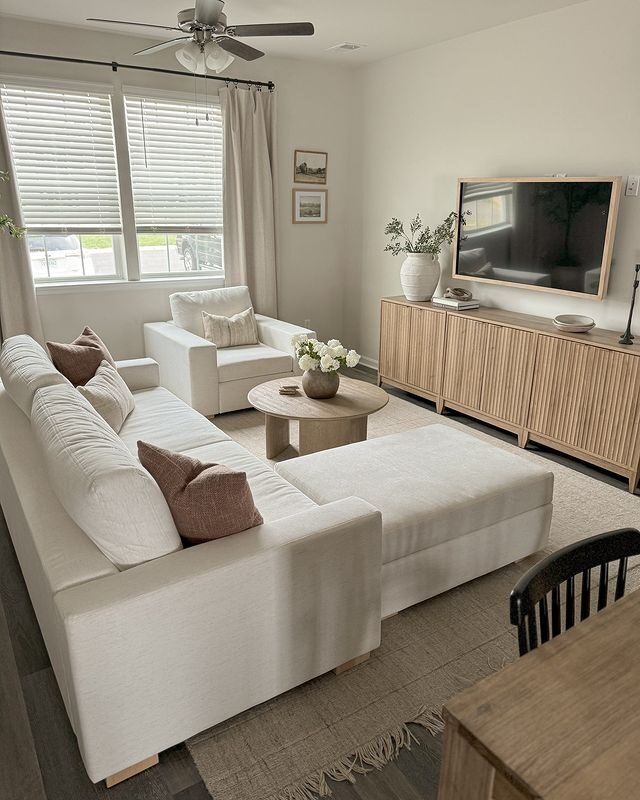
Many first-time buyers debate whether to buy affordable furniture quickly or wait to invest in higher-quality pieces. Fast furniture offers convenience, especially when starting with empty rooms, but may lack durability.
A balanced approach works well. Consider using budget-friendly pieces for light-use areas or temporary needs, while investing in items that see daily wear such as sofas, mattresses, and dining chairs. Over time, these foundational items help the home feel more grounded and cohesive.
Frequently Asked Questions (FAQ)
1. What should I consider when budgeting for interior design?
You should allocate your budget based on usage. Spend more on high-traffic items (flooring, seating) and less on low-traffic items (guest room decor).
2. How do I choose the best art for my walls without spending a fortune?
Create a gallery wall using personal photos, printable art, or thrifted frames. It adds personality at a fraction of the cost of original art. Learn how in How to Create a Gallery Wall That Matches Your Home’s Aesthetic.
3. What are the advantages and disadvantages of DIY decor?
- Advantages: Significant cost savings and a sense of accomplishment.
- Disadvantages: It requires time, tools, and patience; mistakes can sometimes cost more to fix than hiring a pro.
Final Thoughts
Budget-friendly interior design for first-time Canadian homebuyers is about thoughtful choices, not large purchases. By focusing on paint, lighting, and a few well-chosen pieces, you can create a space that feels complete and welcoming without overspending. Start with one room, personalize it, and build from there. Over time, your home will grow into a reflection of your style and your new chapter in homeownership.