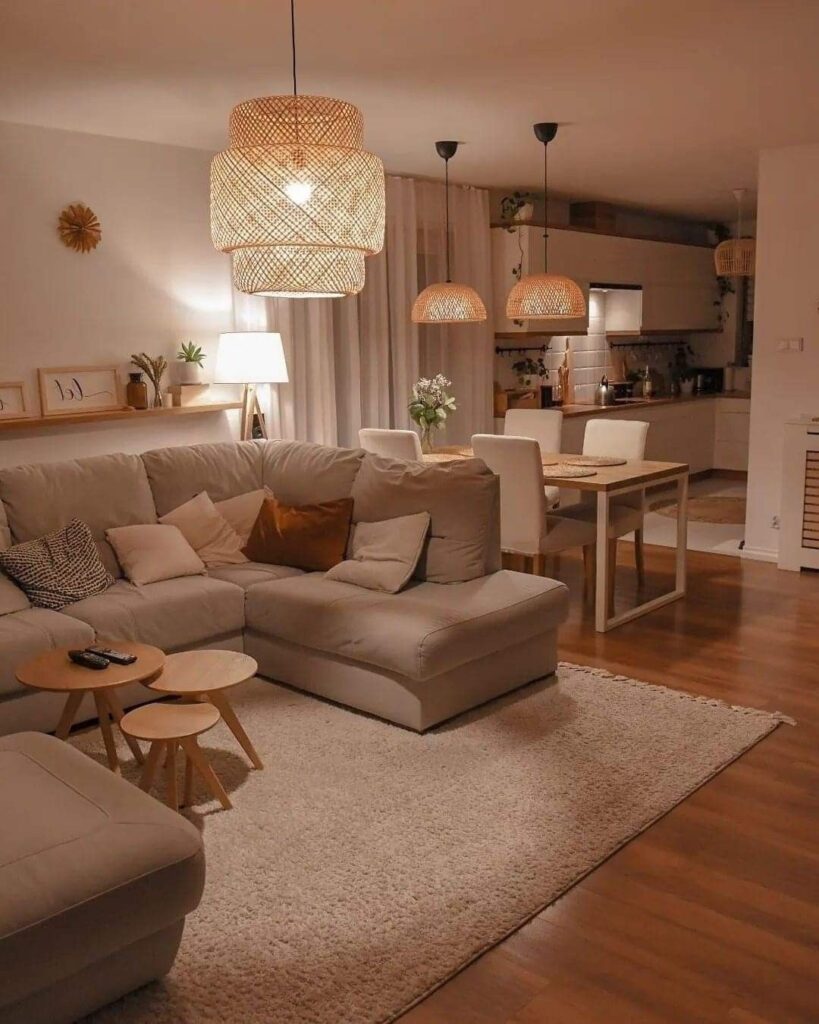
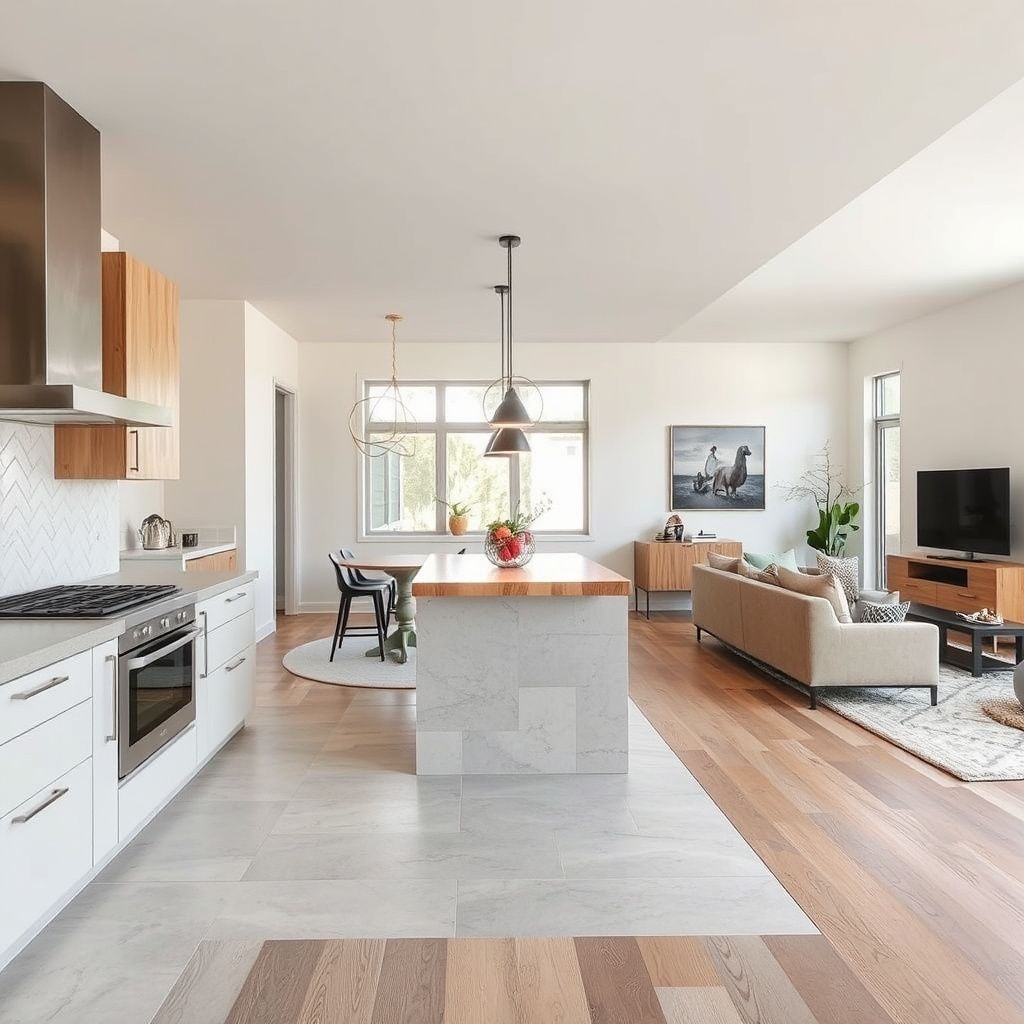
Moving into a newly built home in a Canadian subdivision often means stepping into a large, open living space that combines the kitchen, dining area, and family room, as shown in Statistics Canada. These layouts feel bright and welcoming, but they also present challenges when it comes to noise, clutter, and daily family routines. With the right approach, you can turn an empty builder-grade great room into a warm, functional space that suits both adults and children.
This guide explores practical design ideas to help you organize your open-plan living area while maintaining the flow and comfort that new homes are known for.
How to Make an Open-Plan Layout Work for Family Life
Modern subdivisions across Ontario, Alberta, and British Columbia often feature wide, open great rooms instead of separate formal spaces. These layouts make it easier to cook dinner while supervising homework or keep an eye on younger children during playtime.
Designing these spaces well involves more than simply arranging furniture. It requires creating subtle zones, choosing durable materials, and managing acoustics so that one large room still feels balanced and comfortable, as supported by ASHRAE’s guidance on acoustics and indoor environmental quality.
Why Good Design Matters in Newly Built Homes
The open-plan living area becomes the heart of the home, so poor planning can lead to visual clutter, echoing sound, and inefficient use of space, as reflected in environmental design studies from Harvard University. Creating defined zones helps reduce household stress during busy routines, especially for families with young children.
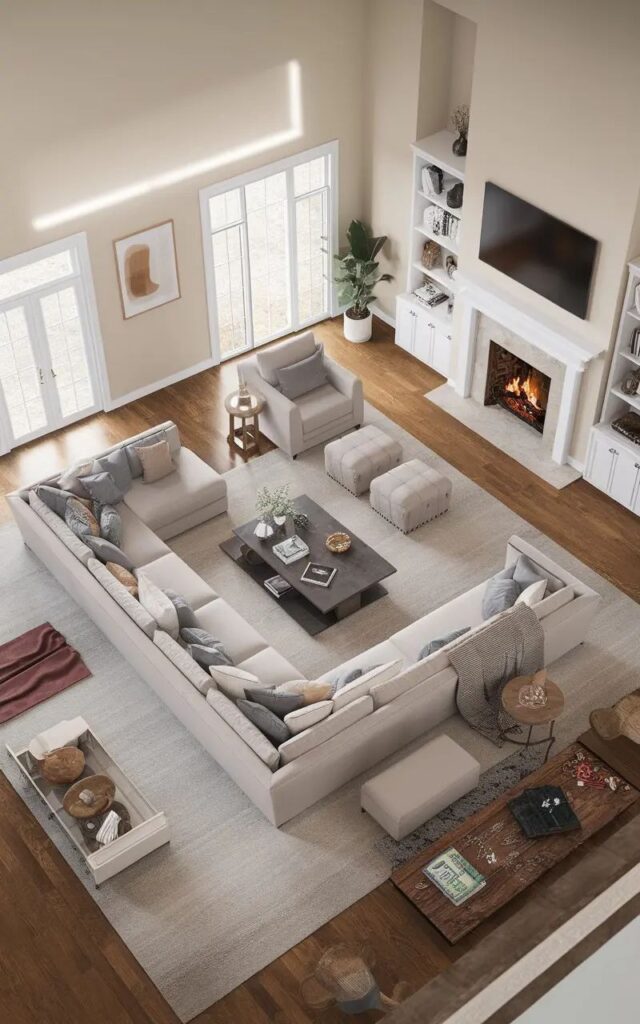
Upgrading lighting, choosing the right furniture scale, and using cohesive colors also enhances the overall value of a builder-grade home. These simple decisions can make the entire main floor feel more polished and welcoming.
Comparing Zoning Techniques for Large Open Spaces
Zoning helps divide one large room into functional areas without adding walls. Below is a comparison of popular approaches.
| Parameter | Large Area Rugs | Furniture Placement (Floating) | Decorative Room Dividers |
| Price | 300 – 1,500 | 0 | 500 – 2,000 |
| Flexibility | High | High | Medium |
| Acoustic Benefit | High | Low | Medium |
| Visual Separation | Subtle | Moderate | Strong |
Prices reflect approximate Canadian averages.
How to Choose a Layout That Supports Daily Routines
Effective layouts help the room feel organized and reduce the sense of chaos that can develop in large, multi-use spaces.
1. Use Sightlines to Your Advantage
Start by standing at the kitchen island and observing what areas fall into view. Keep high-clutter zones, such as toy bins or workstations, slightly out of direct sight. Position seating so you can supervise children or watch TV from the kitchen without feeling disconnected.
2. Prioritize Durable Materials
High-traffic areas in new homes benefit from rugs that protect flooring and soften the space. Choose stain-resistant or washable materials that hold up to busy family life. Furniture with easy-clean fabrics or slipcovers can make maintenance simpler.

3. Layer the Lighting
Builder homes often rely heavily on recessed lighting, which can make the space feel flat. Add pendant lighting over the dining table and floor or table lamps in the living area. Layered lighting helps define each zone and creates a warm, inviting atmosphere, as demonstrated in lighting performance research from UC Davis.
Common Mistakes to Avoid in Open-Plan Spaces
- Neglecting acoustics: Large rooms echo without textiles. Adding curtains, rugs, and upholstered furniture helps reduce noise.
- Using mismatched colors: Open layouts require a cohesive palette. Aim for colors that complement both the kitchen finishes and the living room furnishings.
- Buying undersized furniture: Smaller pieces get visually lost in a large room. Consider sectionals or substantial armchairs that anchor the layout.
Fully Open vs Semi-Defined Plans: What Works Best?
As families settle into their new homes, many discover that open plans do not always meet every need. Sightlines are great for supervision, but constant visibility of kitchen messes can feel overwhelming.
A growing trend in suburban builds is the addition of partial dividers or glass panels that provide light separation without closing off the room entirely. This approach, often called a broken plan, maintains airflow and brightness while offering a bit more privacy and noise control for active households.
Frequently Asked Questions (FAQ)
1. What should I consider when choosing furniture for Open-Plan Living Room Design for Families in New Canadian Subdivisions?
You must choose furniture with finished backs. Since sofas and chairs often “float” in the middle of the room, the back is visible from the kitchen and dining area. It should look just as good from behind as it does from the front.
2. How do I choose the best rug size?
Go big. A common mistake is a “postage stamp” rug. All front legs of your furniture grouping should sit on the rug to anchor the zone effectively.
3. What are the advantages and disadvantages of open-plan living?
- Advantages: Excellent for social interaction, better natural light flow, and easier supervision of children.
- Disadvantages: Noise travels easily, cooking smells permeate the house, and it is harder to hide clutter.
Final Thoughts
Designing an open-plan living room in a new Canadian subdivision is about balancing openness with organization. With thoughtful zoning, the right scale of furniture, and layered lighting, you can transform a wide builder-grade room into a comfortable, functional family hub. The goal is to create a space that supports everyday life while remaining warm and welcoming for years to come.