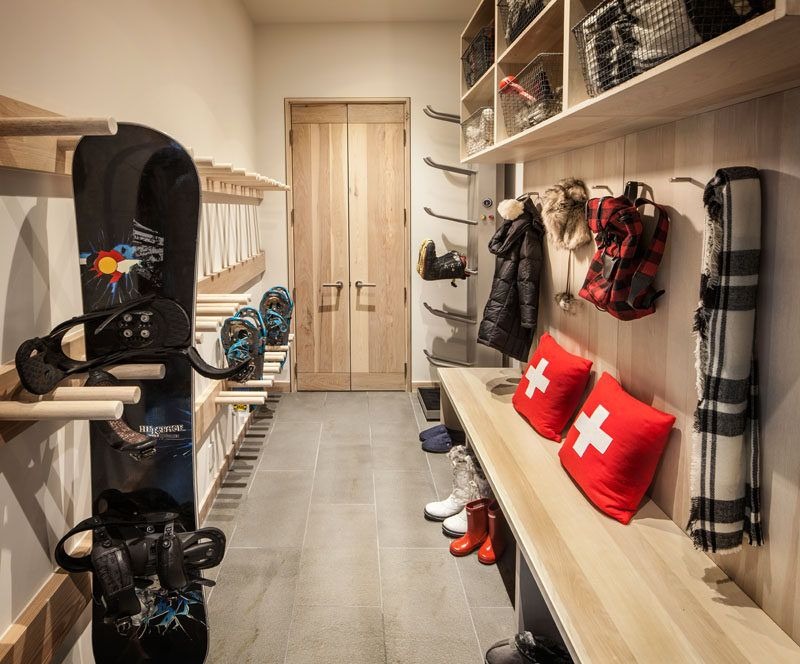
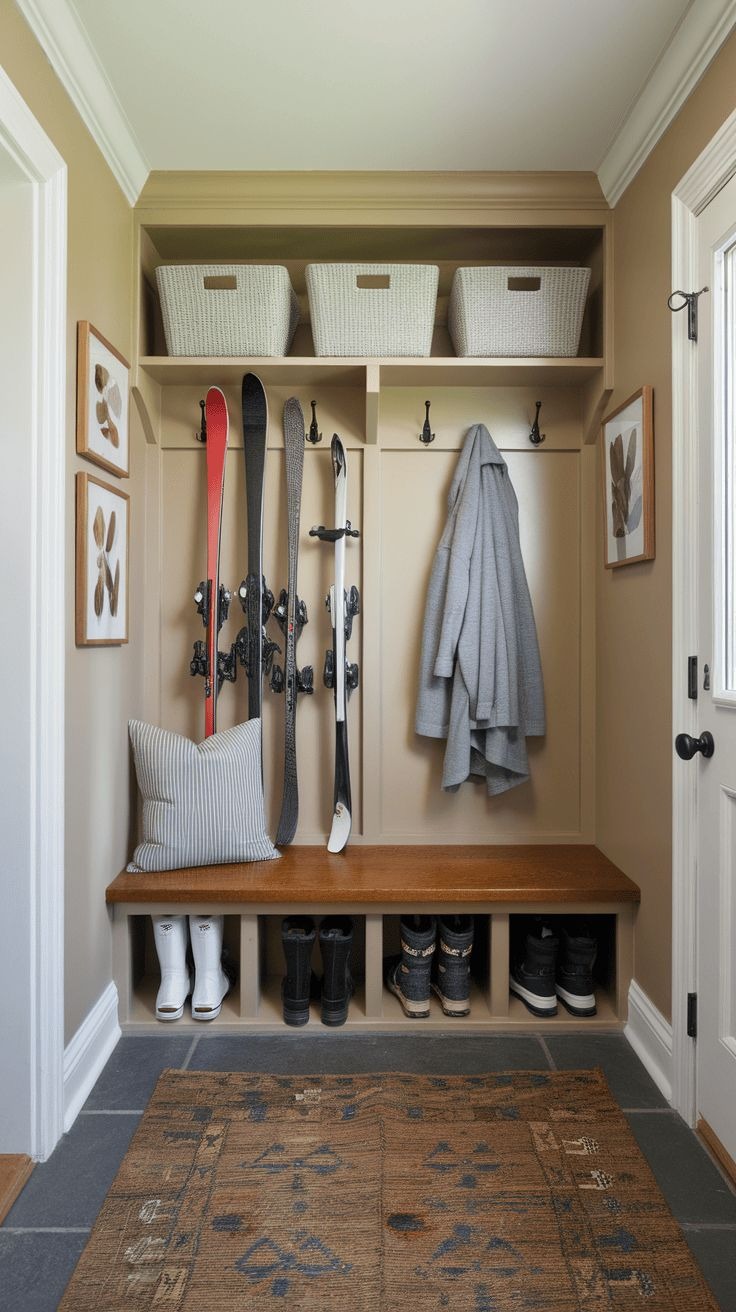
For many Canadian households, winter brings a steady stream of slush, road salt, wet coats, and snow covered boots. Without a proper transition space, this mess quickly spreads through the home, damaging flooring and creating daily frustration. A functional mudroom can change that.
This guide looks at how to design a winter ready mudroom that keeps your home cleaner, simplifies busy mornings, and provides organized storage for cold weather gear.
How to Design a Mudroom That Truly Works in Long Winters
A mudroom in a cold climate serves a very different purpose than a simple entryway. It must be tough enough to handle months of melting snow, dripping jackets, and gritty boots. That means choosing materials and layouts that prioritize durability, storage, and moisture control.
A well designed mudroom acts like a buffer between the outdoors and the rest of the house, as supported by ASHRAE’s research on ventilation and moisture control. With the right setup, it becomes a space where gear can dry, floors stay protected, and belongings stay organized.
Why a Well-Designed Mudroom Makes Such a Difference
Long Canadian winters bring repeated freeze thaw cycles that can be hard on a home, as documented in Environment and Climate Change Canada. Without a proper mudroom, water and salt can stain hardwood, warp flooring, and soak carpets.
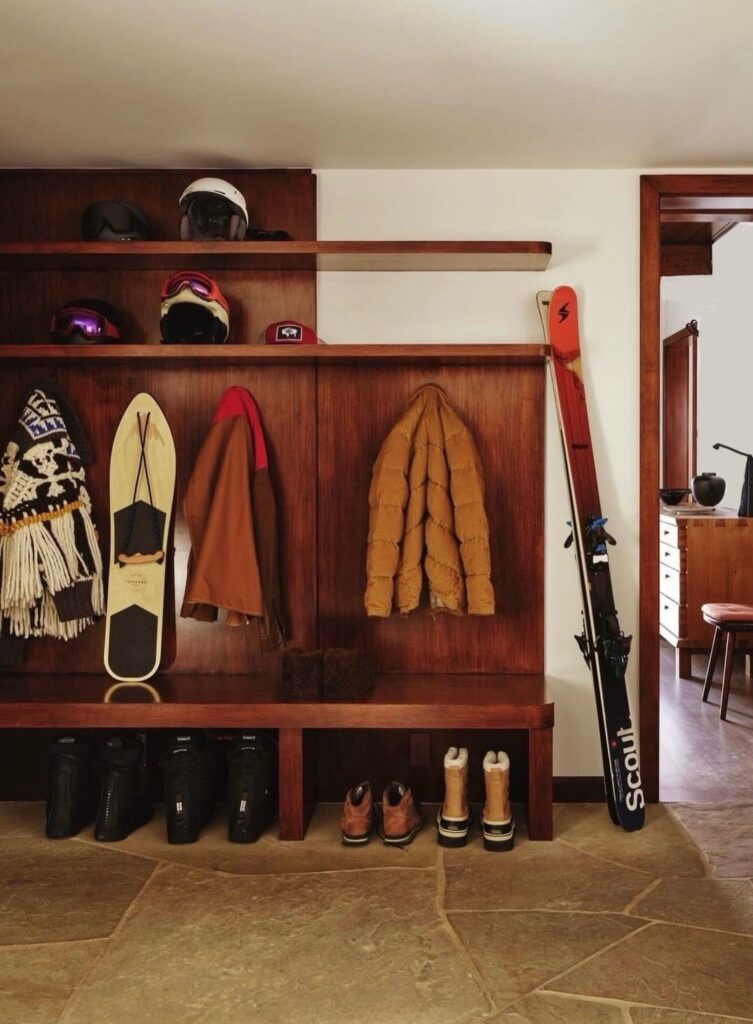
A dedicated mudroom helps trap moisture and dirt before it spreads. It also reduces stress during busy mornings, giving every family member a place for coats, boots, and bags. For households with kids or pets, it provides a practical zone for wiping paws, drying jackets, and storing everyday essentials.
Comparing Flooring Options for a Winter-Ready Mudroom
Flooring is one of the most important choices in any mudroom. It must be waterproof, scratch resistant, and able to handle daily winter wear.
| Parameter | Porcelain Tile | Luxury Vinyl Tile (LVT) | Natural Slate |
| Price (Installed) | 12.00 – 20.00 / sq ft | 5.00 – 10.00 / sq ft | 15.00 – 30.00 / sq ft |
| Water Resistance | High | High | High (if sealed) |
| Durability | Excellent | Good | Excellent |
| Cold Factor | Cold (Needs heating) | Warm | Cold (Needs heating) |
Prices reflect typical Canadian renovation ranges.
How to Choose Smart Storage for Winter Gear
Winter items are bulky, wet, and often hard to store. Good storage keeps everything organized and easy to reach.
1. Use Open Lockers for Better Airflow
Closed cabinets look clean, but damp coats need ventilation, as supported by Building Science Corporation. Open cubbies or locker style sections allow coats, scarves, and snow pants to dry faster. Assigning one section per family member helps keep the area tidy.
2. Add Dedicated Boot Storage
Tall boots do not fit well on standard shoe racks. Adjustable shelving, rubber boot trays with raised edges, or wall mounted racks can keep boots off the floor and contain melting snow.
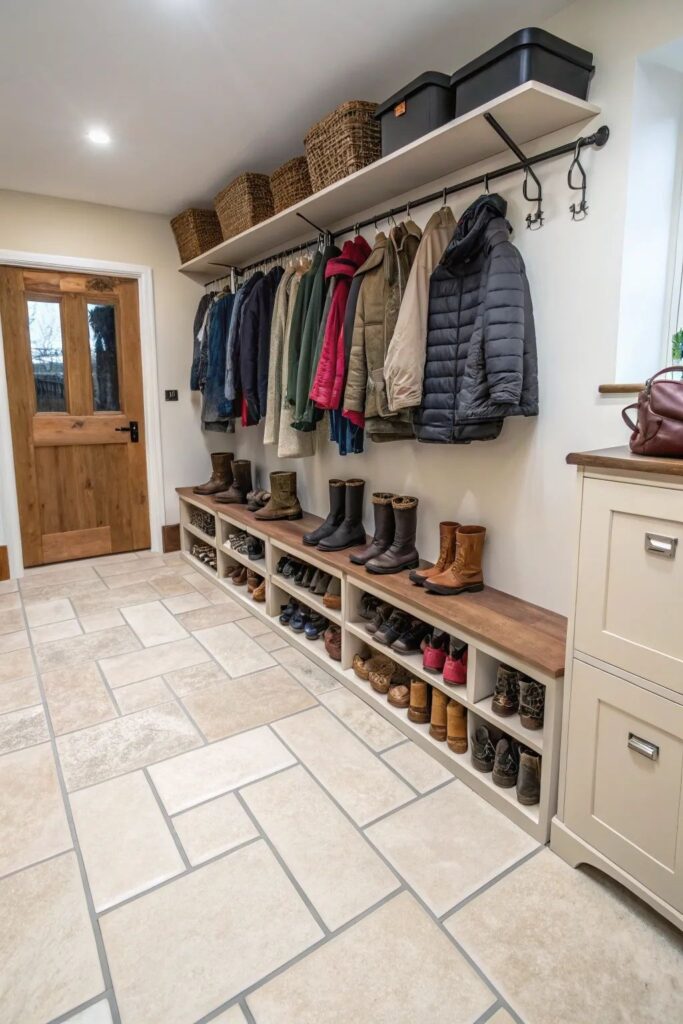
3. Include a Sturdy Bench
A bench makes it easier and safer to put on or remove winter footwear. Choose one with storage underneath to maximize space in small mudrooms.
Common Design Mistakes to Avoid
- Poor ventilation: Without airflow, wet gear develops odor. An exhaust fan or good HVAC connection is helpful.
- Delicate rugs: Traditional rugs absorb moisture and stain quickly. Use washable or heavy duty mats made for outdoor debris.
- Dim lighting: Winter mornings are dark. Combine overhead lighting with task lighting to improve visibility.
Practical Mudroom Design vs Trend-Driven Choices
Many inspiration photos feature crisp white cabinetry and decorative accents, but these choices are harder to maintain in a real Canadian winter. Designers often debate whether to prioritize beauty or practicality.
For everyday use, darker lower cabinets or wood toned finishes hide scuffs better than bright white. Wall treatments also matter. While shiplap looks stylish, it can be harder to wipe clean. Durable tile or wainscoting up to mid wall height can better withstand splashes from wet coats or pets.
Frequently Asked Questions (FAQ)
1. What should I consider when choosing a paint for my mudroom?
You must choose a high-quality, moisture-resistant paint in a “satin” or “semi-gloss” finish. Matte paints absorb moisture and are impossible to wipe clean.
2. How do I choose the best heating for a mudroom?
In-floor radiant heating is the gold standard. It dries the floor quickly (preventing slips) and warms your boots from the bottom up. If that is not in the budget, a dedicated electric baseboard heater or a boot dryer is essential.
3. What are the advantages and disadvantages of built-in vs. freestanding storage?
- Advantages: Built-ins maximize every inch of space and increase home value.
- Disadvantages: They are significantly more expensive and cannot be reconfigured if your needs change.
Final Thoughts
A functional mudroom is one of the most valuable upgrades for Canadian homes with long winters. By selecting durable flooring, improving ventilation, and planning thoughtful storage, you create a space that keeps the rest of your home cleaner and more organized. Whether you are completing a renovation or enhancing an existing entryway, a winter ready mudroom makes day to day life easier while still offering room for personal style.