
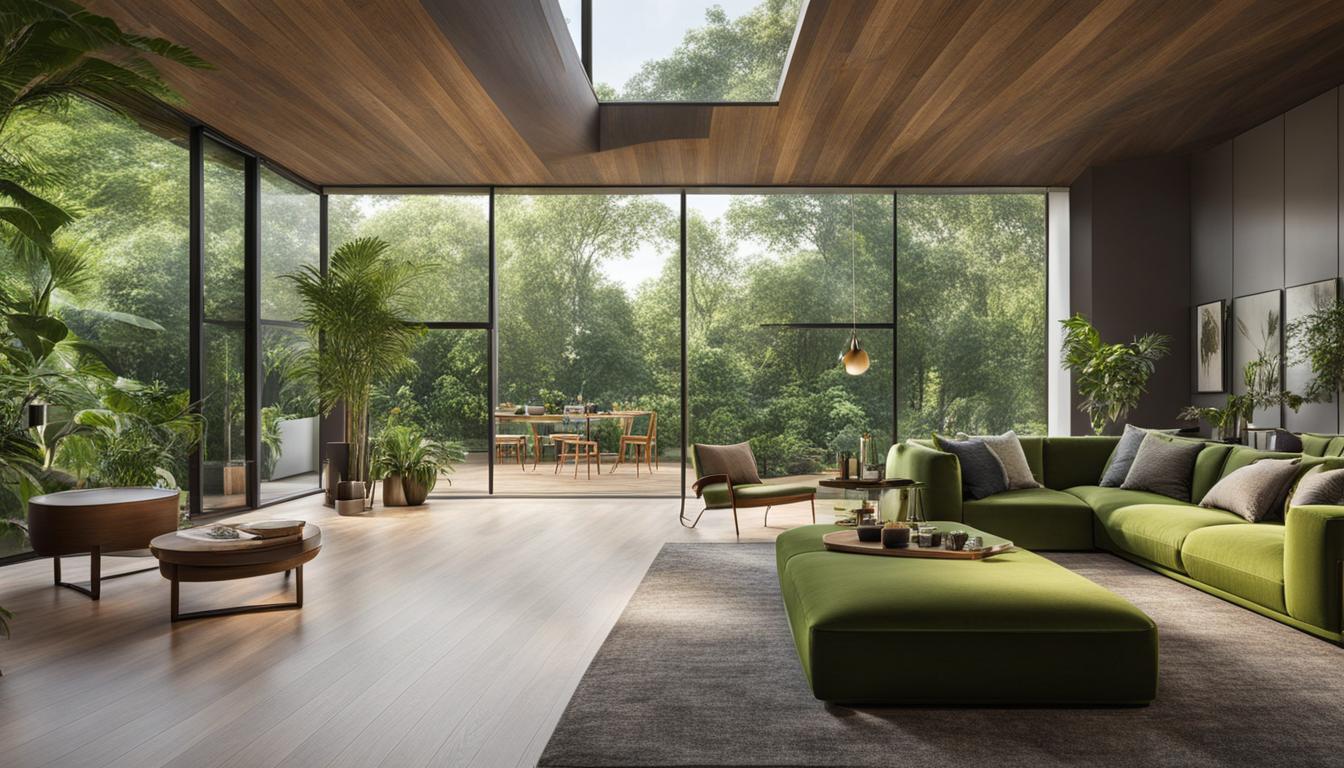
Biophilic design is an innovative approach to interior design that focuses on connecting people with nature. Rooted in the idea that humans have an inherent need to connect with the natural world, biophilic design incorporates natural elements into living spaces to improve health, well-being, and productivity. Here’s how you can bring the outdoors in and create a home that nurtures your mind, body, and spirit.
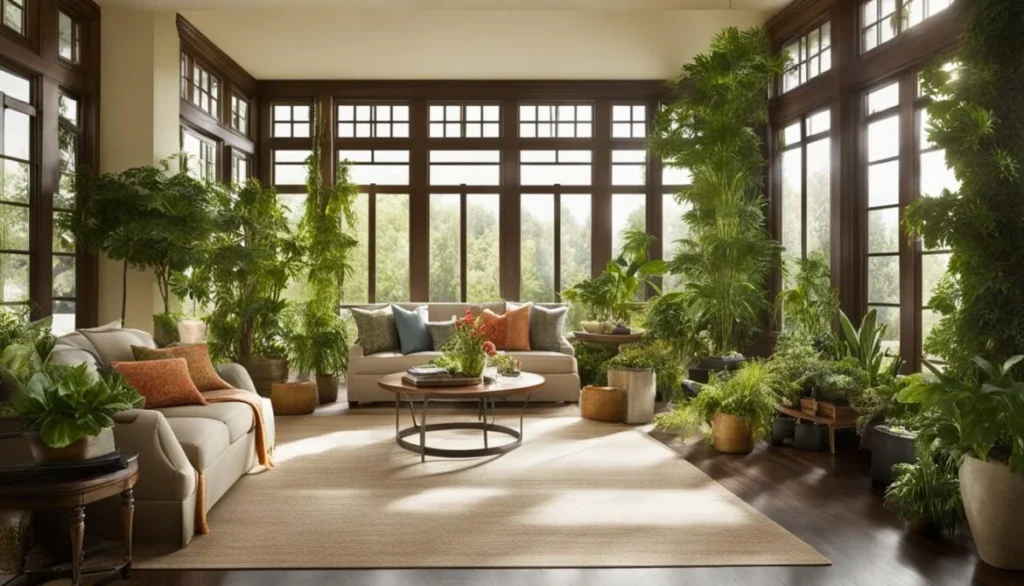
What is Biophilic Design?
Biophilic design integrates natural materials, patterns, and elements into interiors to replicate the calming and rejuvenating effects of being in nature. It goes beyond adding a few houseplants, emphasizing a holistic approach that includes light, air, textures, and spatial harmony.
Benefits of Biophilic Design
- Improved Mental Health: Exposure to natural elements reduces stress, anxiety, and depression.
- Enhanced Productivity: Studies show that natural environments improve focus and creativity, making biophilic design ideal for home offices.
- Better Air Quality: Incorporating plants and proper ventilation improves indoor air quality.
- Increased Comfort and Well-Being: Natural materials and soft, organic shapes create a calming atmosphere.
Key Elements of Biophilic Design
1. Natural Light
Maximizing natural light is a cornerstone of biophilic design. Large windows, skylights, and glass doors allow sunlight to flood your home, creating a brighter and healthier environment. Sheer curtains or adjustable blinds can help manage light levels while maintaining an open, airy feel.
2. Indoor Plants
Plants are a simple yet impactful way to bring nature indoors. Choose a variety of species to create visual interest and improve air quality. Popular options include ferns, snake plants, pothos, and peace lilies. Vertical gardens, hanging plants, and potted arrangements can add greenery without taking up much floor space.
3. Natural Materials
Incorporate natural materials like wood, stone, bamboo, and clay into your home’s design. These materials add warmth and texture while creating a tactile connection to the natural world. Use them in furniture, flooring, wall treatments, or decor for an organic and timeless look.
4. Water Features
Water has a soothing and calming effect. Indoor water features like fountains or small tabletop waterfalls bring the tranquil sounds of flowing water into your home. For a minimalist option, even a simple bowl of water with floating flowers or candles can evoke serenity.
5. Organic Shapes and Patterns
Biophilic design favors curved, organic shapes and patterns over rigid, linear designs. Incorporate furniture, lighting fixtures, and decor with rounded edges, wavy patterns, or leaf motifs to mimic nature’s natural forms.
6. Earthy Color Palettes
Use colors inspired by nature, such as greens, browns, blues, and soft neutrals, to create a calming and cohesive atmosphere. Accent these with pops of vibrant colors like yellows or oranges to evoke the beauty of flowers or sunsets.
7. Natural Textures
Textures play a vital role in biophilic design. Incorporate soft, tactile materials like wool, linen, or jute, alongside harder, raw textures like stone or exposed brick. Layering textures adds depth and reinforces the connection to nature.
8. Views of Nature
If possible, design your home to maximize views of outdoor greenery. Large windows that frame gardens, trees, or landscapes create a seamless connection between indoor and outdoor spaces. For those without outdoor views, artwork or murals depicting natural scenes can provide a similar effect.
9. Ventilation and Airflow
Proper ventilation is essential for replicating the freshness of outdoor environments. Use windows, ceiling fans, or air purifiers to maintain good airflow and improve indoor air quality.
10. Natural Soundscapes
Incorporate sound elements that mimic nature, such as wind chimes, gentle music, or recordings of birdsong and ocean waves. These auditory cues enhance relaxation and create a multi-sensory experience.
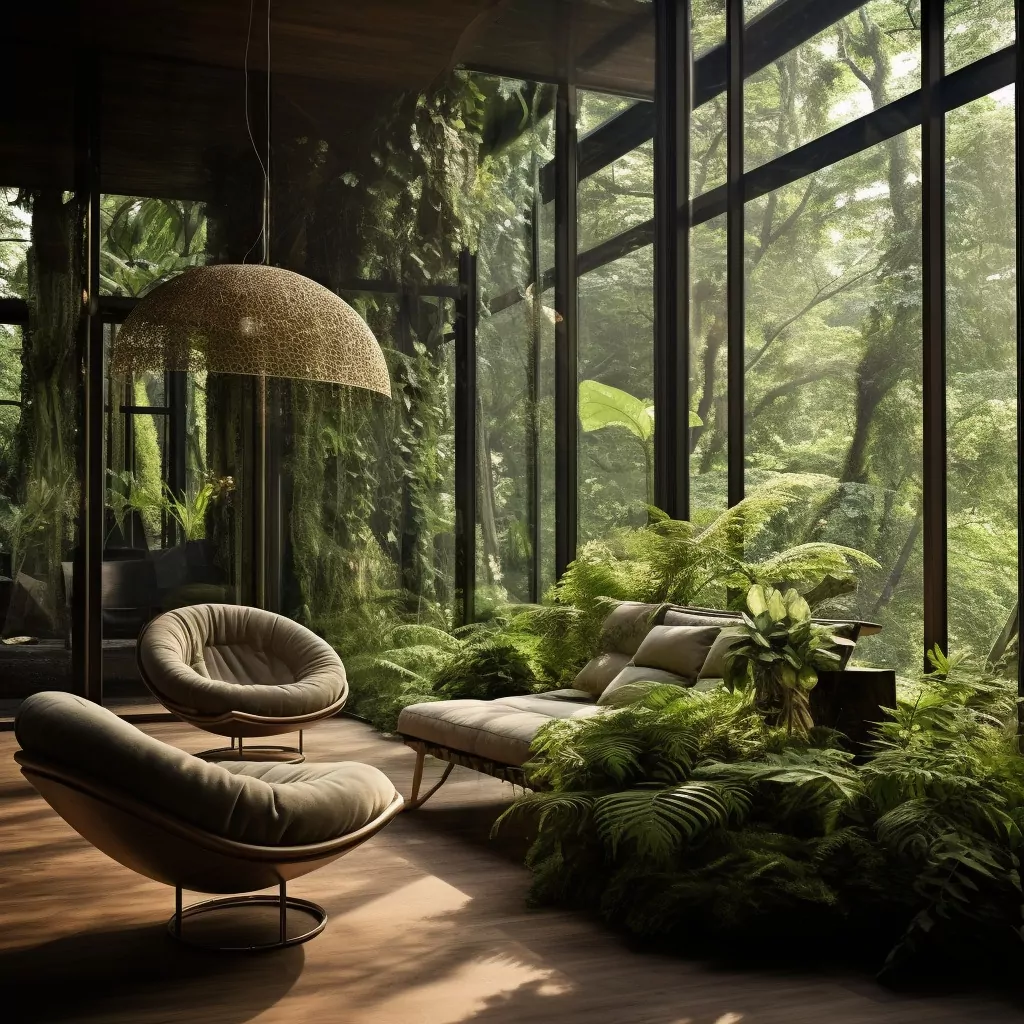
How to Start Incorporating Biophilic Design
- Begin Small: Add a few plants, change your color palette, or introduce natural materials to a single room.
- Prioritize Key Spaces: Focus on areas where you spend the most time, such as the living room, bedroom, or home office.
- Combine Elements: Layer natural elements like light, greenery, and textures for a more immersive experience.
- Adapt to Your Lifestyle: Choose biophilic elements that align with your preferences and maintenance capabilities.
Final Thoughts
Biophilic design transforms interiors into restorative sanctuaries that reconnect us with nature. By incorporating elements like natural light, greenery, and organic textures, you can create a home that promotes health, well-being, and happiness. Whether you start small with a few plants or undertake a complete redesign, biophilic design offers endless possibilities to bring the beauty and benefits of nature indoors.